The 38th MeLSAT Scientific Conference, Exhibition and Annual General Meeting (AGM) was successfully held from 24th to 26th September 2025 at Kwatunza Beach Resort in Mwanza, Tanzania. Organized by the Medical Laboratory Scientists Association of Tanzania (MeLSAT), the conference brought together medical laboratory professionals, researchers, academicians, policymakers, students, development partners, and industry stakeholders to discuss emerging trends and innovations in laboratory medicine. The conference was conducted under the theme, “Advancing Diagnostic Innovations in the Era of Artificial Intelligence, Multidrug Resistance, and Genomics,” reflecting the growing importance of innovative technologies in strengthening healthcare systems and improving patient outcomes.
The conference attracted more than 400 delegates from across Tanzania and beyond, including delegates from neighboring East African countries such as Kenya and Uganda. The diversity of participants created a valuable platform for scientific exchange, networking, collaboration, and professional development. The event also provided an opportunity for stakeholders to discuss challenges affecting laboratory services and identify practical solutions to advance the profession.
OFFICIAL OPENING CEREMONY
The Guest of Honour was Dr. Seif Shekalaghe, the Permanent Secretary of the Ministry of Health, who was represented by the Mwanza Regional Administrative Secretary. In his opening remarks, the Guest of Honour emphasized the crucial role of laboratory services in supporting healthcare delivery, disease surveillance, outbreak response, and evidence-based clinical decision-making. He commended MeLSAT for its continued efforts in promoting professional excellence and strengthening laboratory medicine in Tanzania.
During the opening ceremony, the President of MeLSAT, Mr. Yahya Mnung’a, presented several challenges affecting the Medical Laboratory profession in Tanzania. These included the need for increased employment opportunities for laboratory professionals, establishment and harmonization of schemes of service and professional career structures, strengthening laboratory administration within healthcare facilities, and ensuring uniformity of Medical Laboratory Science curricula across training institutions. He also highlighted the need for continued investment in laboratory infrastructure, equipment, and professional development. In response, the Guest of Honour acknowledged these concerns and assured participants that the Government is aware of the challenges facing the laboratory sector and is committed to working with stakeholders to address them and improve the operational environment for laboratory professionals throughout the country.
KEYNOTE PRESENTATIONS
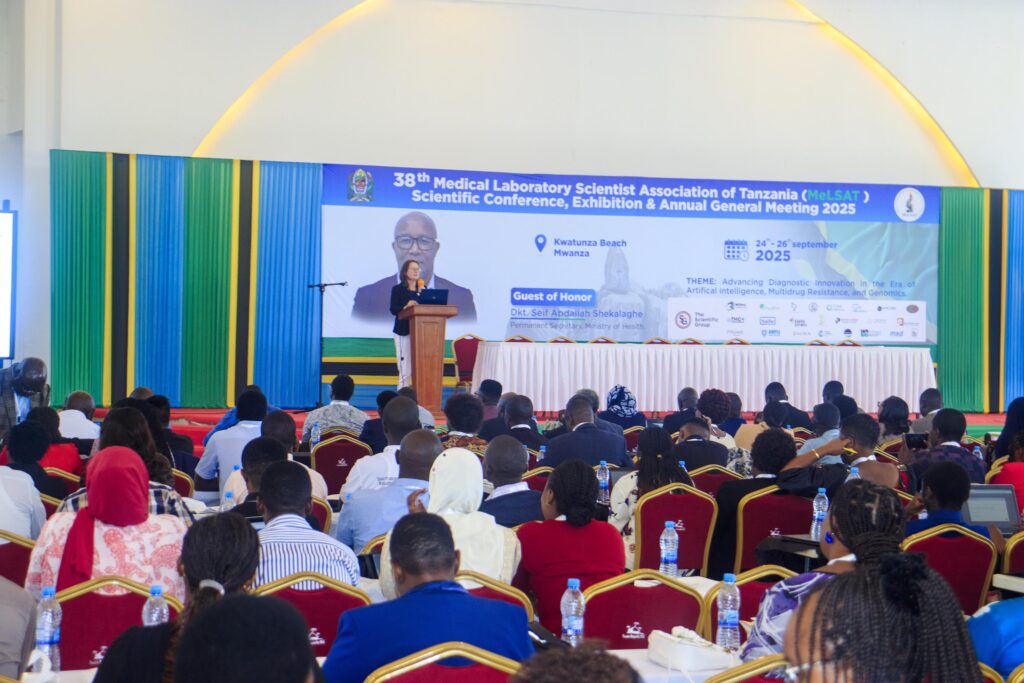
The conference featured a series of keynote presentations delivered by distinguished experts in laboratory medicine and public health. Prof. Martha Mushi from the Catholic University of Health and Allied Sciences (CUHAS) delivered a presentation entitled “Laboratory Services as the Backbone of Health Systems: Challenges and Opportunities.” She highlighted the indispensable role of laboratory services in supporting diagnosis, treatment monitoring, disease surveillance, and public health interventions. She further discussed the challenges facing laboratory systems and the opportunities available for strengthening laboratory services through innovation, policy support, and investment.
Mr. Mzelifa Daud from the University of Dodoma (UDOM) delivered a presentation on “The Role of Laboratory-Based Surveillance in the Health Sector (AMR).” His presentation focused on the importance of laboratory surveillance systems in combating Antimicrobial Resistance (AMR), emphasizing the need for coordinated surveillance networks, quality data generation, and evidence-based interventions to address the growing threat of drug-resistant infections.
Another keynote presentation was delivered by Mr. Benard Okamo from CUHAS on “Artificial Intelligence at the Frontline: Transforming Laboratory Diagnostics and Patient Outcomes.” The presentation explored how Artificial Intelligence is revolutionizing laboratory diagnostics through improved accuracy, automation, predictive analytics, and enhanced efficiency in healthcare delivery. Participants gained valuable insights into the potential applications of AI in modern laboratory practice and patient care.
The final keynote presentation was delivered by Mr. Simon P. Rugera from Mbarara University, Uganda, on “Advanced Molecular Technologies in Diagnosis of Infectious Pathogens.” He discussed emerging molecular diagnostic technologies and their applications in detecting and monitoring infectious diseases. The presentation highlighted advances in molecular biology, genomic sequencing, and pathogen surveillance, demonstrating their significance in improving disease control and public health preparedness.
SCIENTIFIC SESSIONS
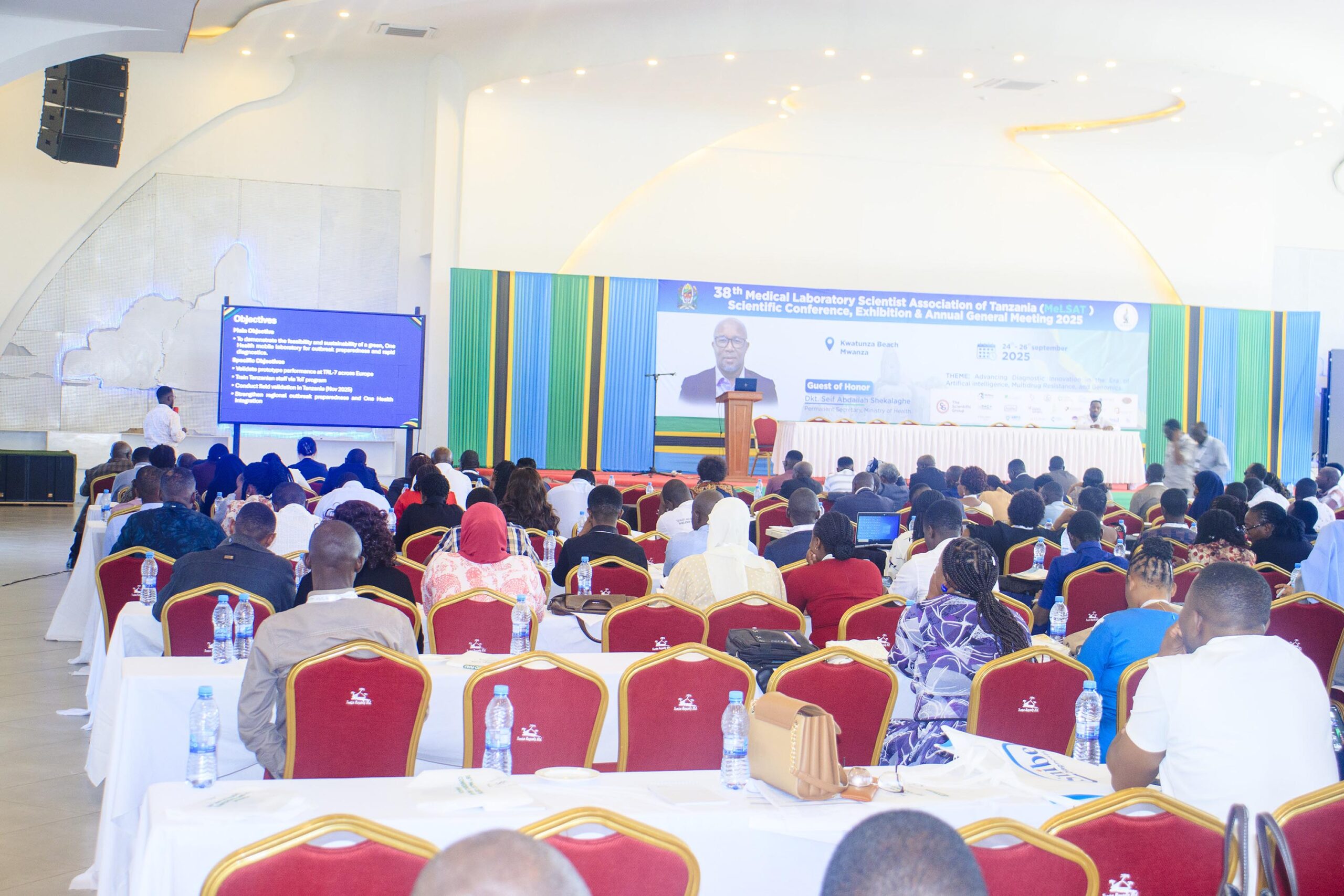
The scientific sessions formed the core of the conference and provided participants with an opportunity to share research findings, innovations, and practical experiences from different areas of laboratory medicine. More than 24 scientific papers were presented through oral and poster presentations, covering a broad range of contemporary topics relevant to laboratory science and healthcare.
The presentations addressed key thematic areas including Artificial Intelligence in Laboratory Diagnostics, Genomics and Genomic Sequencing in Disease Detection and Surveillance, Antimicrobial Resistance and Stewardship Programs, Emerging and Re-emerging Infectious Diseases, One Health Approaches in Disease Prevention and Control, Laboratory Quality Management Systems and Accreditation, Digital Health Technologies and Laboratory Information Systems, and Innovations in Clinical and Public Health Laboratory Services. These sessions stimulated lively discussions among participants and promoted collaboration between researchers, practitioners, and policymakers.
EXHIBITION
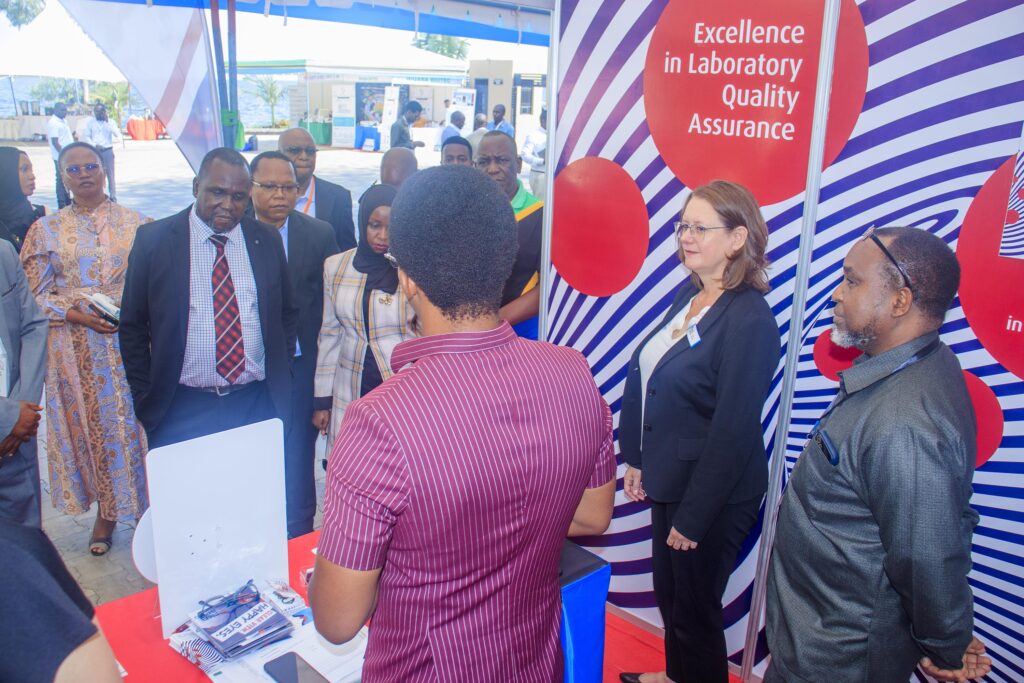
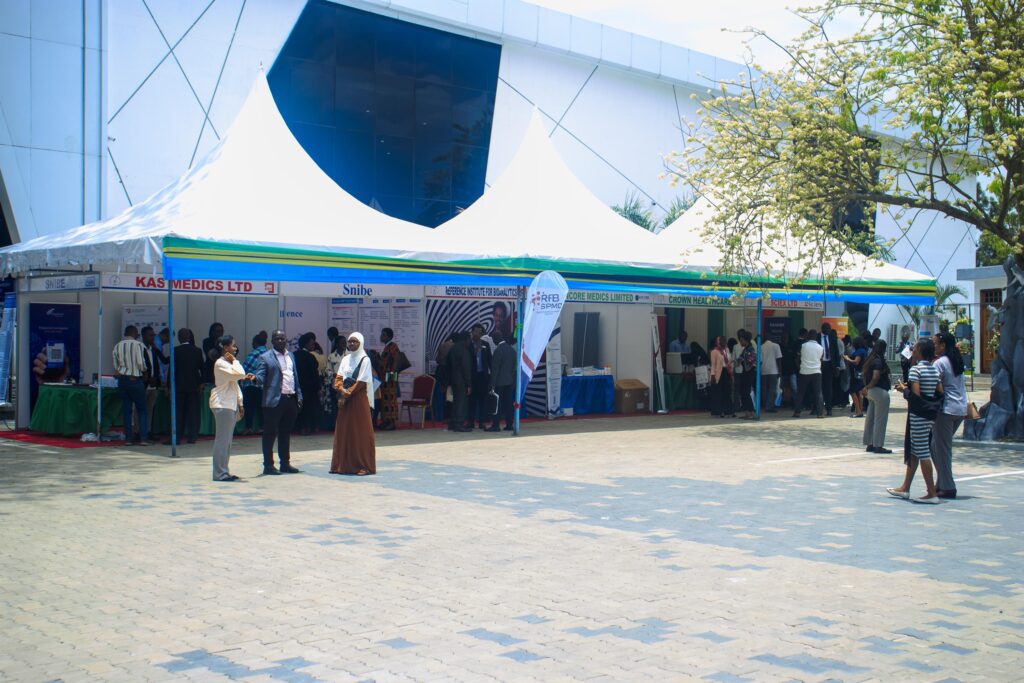
The conference exhibition attracted participation from leading healthcare and laboratory technology companies, organizations, and regulatory bodies. The exhibition provided an excellent platform for participants to explore the latest laboratory technologies, diagnostic equipment, reagents, information systems, and healthcare solutions. Exhibitors and sponsors included Scientific Group, SNIBE, Crown Healthcare Ltd, Anudha Ltd, RFB, KAS Medics, Inqaba Biotec, Phomas Diagnostics, Hypermed Healthcare, SCIEX Manufacturer, Encomedics, CAA Medical, Encore Medics Limited, Partners Global, Royal Creative Lab, HLPC, PHLB, and MSD.
The exhibition facilitated productive interactions between laboratory professionals and industry partners, enabling participants to learn about innovative technologies and establish partnerships that could contribute to strengthening laboratory services and healthcare delivery in Tanzania and the region.
ANNUAL GENERAL MEETING
The Annual General Meeting (AGM) was held as part of the conference and provided members of MeLSAT with an opportunity to review the progress and performance of the Association. During the meeting, members received and discussed the Annual Executive Report and the Financial Report, which highlighted key achievements, activities, financial performance, and challenges encountered during the reporting period.
The AGM also provided a platform for members to discuss strategic issues affecting the Association and the Medical Laboratory profession in Tanzania. Participants exchanged views on professional development, advocacy initiatives, membership growth, and strategies for strengthening the Association’s role in advancing laboratory medicine. The discussions generated valuable recommendations aimed at promoting the continued growth and sustainability of MeLSAT.
CONCLUSION The 38th MeLSAT Scientific Conference, Exhibition and Annual General Meeting 2025 successfully brought together over 400 participants from Tanzania and neighboring East African countries to share knowledge, experiences, and innovations in laboratory